It was never been my intention to join any sort of gym. Who in their right mind would “go to the gym” and “work out” when you can get the same result by practicing a competitive sport? But having strategically arrived in NZ in the depths of winter, running to work quickly lost its appeal. The early morning rain was at just the right angle to hit me in the eyes, so for a few weeks I ran to work through the dark and the rain wearing sunglasses. Finally I threw in the towel and started driving to work. Missing the exercise, I joined a boxing club.
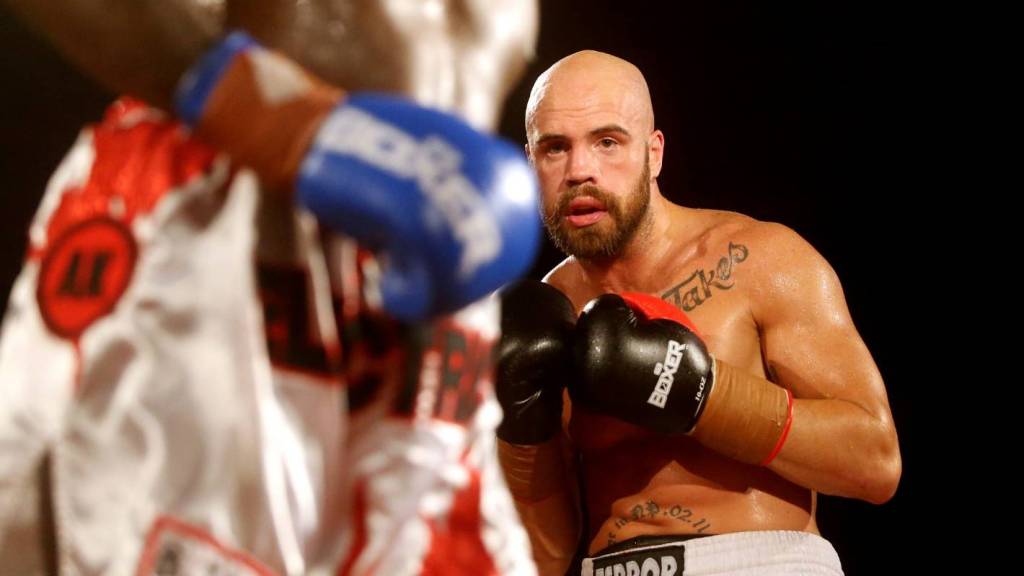
Sam Rapira was the Light-Heavyweight Champion for New Zealand. He has the typical boxer’s nose and on close inspection one of his eye sockets is a little displaced. A likable fellow, he enjoys coaching and runs an excellent boxing class. As he freely acknowledges he’s a little bit “punchy” and should have retired from boxing a few years sooner than he did. He does occasionally repeat himself, forgets where he parked his car, and when he emailed me asking if I would be medical backup for a fight night he wrote “somebody told me you’re a doctor”. That person was me. On several occasions.
Sam + friends and family run Box Office Boxing. Registered charity, they also do fitness classes for folk with Parkinson’s Disease.
When tag-sparing I tend to fight like a fencer. Score the first point by landing a blow at the very maximum of my reach, then relax back thinking “ha. Got ‘um”. Because if this was a fencing match the fight would now be paused and analysed. But since this is boxing, instead my opponent goes on to hit me several times in quick succession.
Hopefully it won’t sound big-headed if I say I’m now better at punching people than I used to be (also kicking people). When it comes to taking a punch however, I haven’t really been put to the test. My poor brain gets enough punishment as it is.
It’s good to pay in trade. Everybody wins. Except the taxman. He looses out badly. All the fighters who attend competitions need a yearly physical, and normally they pay a GP to do it. Now I do them all, and my membership for free.
Sam asked, since I was now the club doctor, if I wouldn’t mind providing ringside support for one of their fight nights. Of course I agreed (what fun!) but it clashed with my trip back to the UK so Georgia kindly did it.
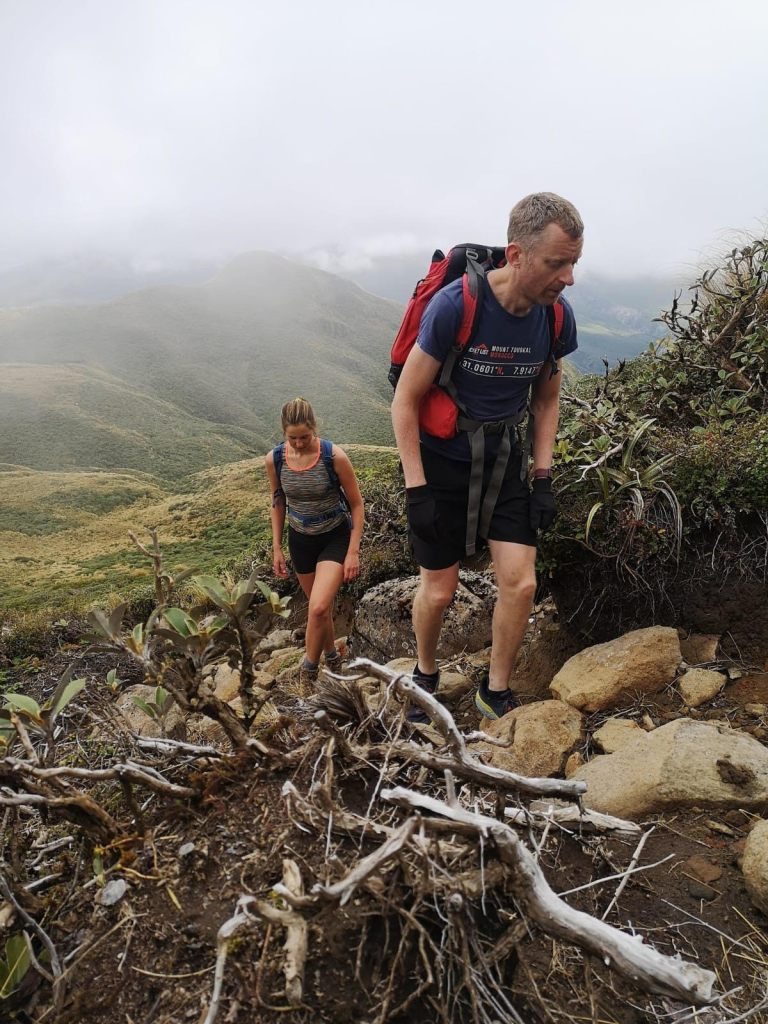
Here she is on a walk. Only been a doctor 3 years. She’s English. Speaks fluent Russian and volunteered for 3 weeks in Poland last year helping Ukrainian refugees. Very capable. And attractive.
Apparently it was a harrowing experience.
“They have no concept of health and safety! It’s like the wild west. There was no ambulance on standby, no emergency protocols, when I realised how it was going to be I told them I’m not coming along as a doctor, but I’ll come along as a first-aider”. In the end there was 1 mild concussion and 1 dislocated shoulder. Sam was delighted “one of the best fight nights we’ve had!”.
Not long afterwards I was approached by a boxing club in Hawera, a town on the other side of Taranaki:
Hawera club manager: “You’re the boxing doctor right?”
Edd: “Well, sort of.”
Hawera club manager: “Ah, good. We’ve got a fight night coming up and we need a doctor. If we can’t find one it won’t go ahead”.
Young Georgia had managed (“don’t hesitate to cope”, as one of my bosses used to tell his juniors) so with my 13 years experience of doctoring how could I refuse. True, most of those years I’ve been treating blood cancers, but how different is that from people punching each other in the head, really?
Before all else, be armed. (Niccolo Machiavelli)
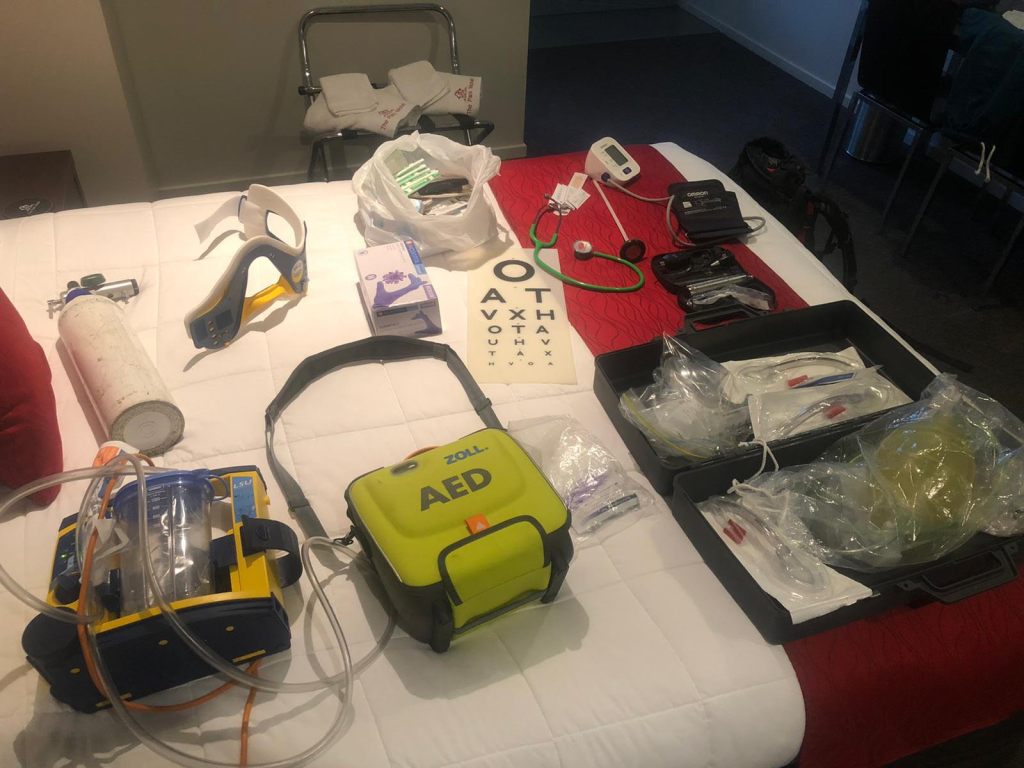
The following equipment was generously loaned out by each hospital department for the weekend:
Defibrillator from cardiology.
Portable oxygen and C-spine collar from A&E.
Airway equipment from clinic skills lab.
Syringes etc from the cupboards in Oncology.
Injectable drugs: diazepam, morphine, adrenaline and antiemetics. I wrote a Physician’s Supply Order Form for these medications which were then provided by pharmacy. After the boxing unused medications were returned.
And 12 pregnancy tests from the family planning clinic.
I emailed the preeminent boxing doctor in NZ who sent me this:
Example page.
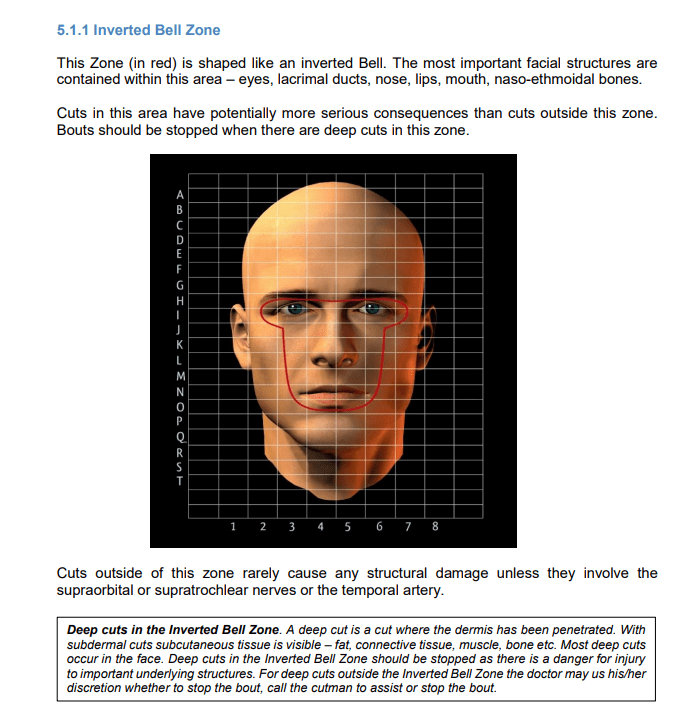
Amongst its pages are various unhelpful pieces of advice like “there must be at least 4 doctors attending any fight night” and “every boxer must have up to date blood results for Hep B, C and HIV”. I gave them all blood forms weeks ahead of the fight. Did they get them done? Did they noodles. They all needed a physical and brief medical history, so I examined the 22 fighters in a pub the night before the fight. To each of the girls I gave a pregnancy test
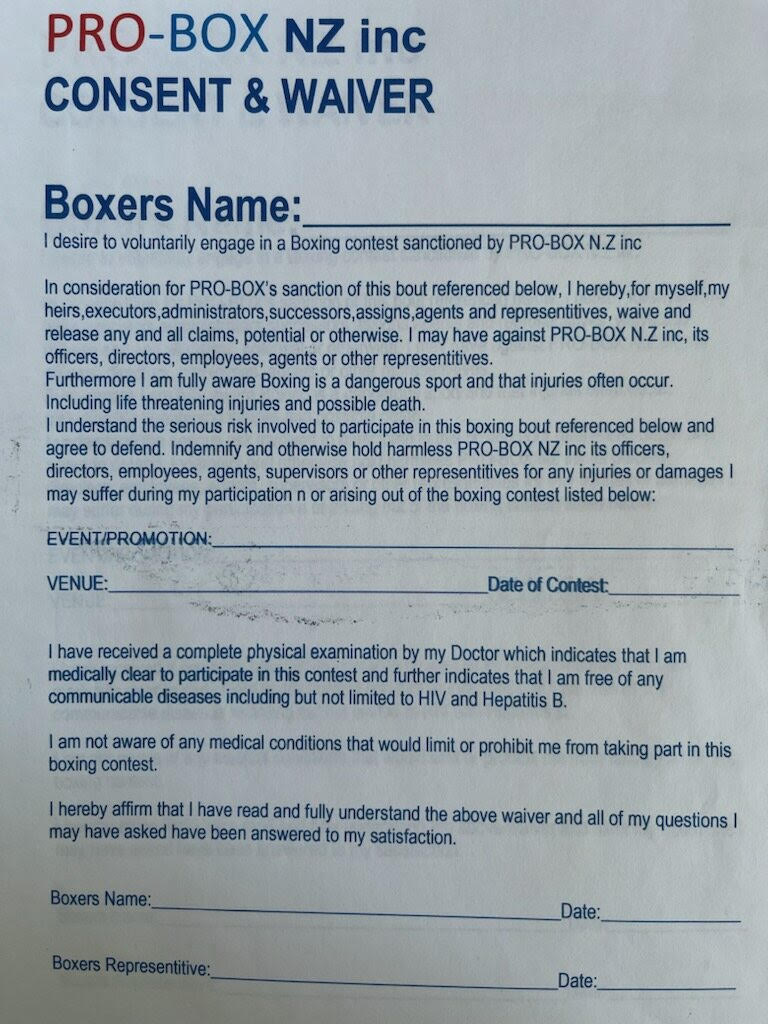
“I’m trusting you to use this. If you’re pregnant then you’re not allowed to fight”.
In my pre-fight briefing:
“If anybody is pregnant please raise your hand.
No one? Okay good. That’s a relief.
Now, I know not all of you had a chance to get your bloods done, so we just don’t know who has, and hasn’t got AIDS. Please don’t bite each other”.
Getting there early to meet security, I checked where an ambulance would park and practiced the route from the ring to the carpark, in case we had to carry an injured fighter out on a stretcher.
Edd: “so who’s gonna carry the stretched if a boxer gets knocked out?”
Security: “Oh, people from the crowd will volunteer”.
I suppose that’s probably true. So I took my seat at the corner of the ring, and waited for the games to commence.
There were 5 fights in the first half, all good scraps, but only 1 was interesting from a medical perspective.
If you will forgive me I will now digress with an anecdote about PG Wodehouse.
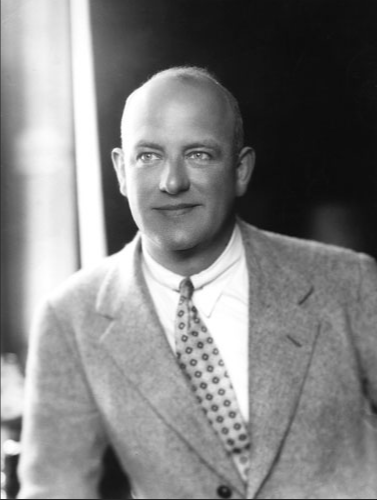
PG would occasionally go bare knuckle boxing in his local pub. One evening after having been comprehensively beaten by a local bruiser PG’s butler was mopping blood off him:
Butler- Well done Sir. Well done.
PG- Ah. I didn’t hit him much.
Butler- no, but you got hit. And that was just as good.
In boxing often you want to congratulate the loser more than the winner.
Back to the fight: It was Māori vs Pale-face. The Māori chap won the 1st round, then narrowly lost the 2nd. In the 3rd he was being bounced off the ropes, blood streaming from his nose. The Ref kept pausing the fight and offering to stop it, but the fellow repeatedly insisted he was fine, and fought on. I had a word with him as he left the ring, as I did with all the fighters, and other than a bloody nose he denied any injury. Half an hour later though he began vomiting. And kept on vomiting. I injected him with some good stuff and very soon he claimed he’d recovered.
“Are you sure you’re alright? You’re eyes are very bloodshot and I notice you can’t breathe through your nose”
“Oh, that’s just the flu. I’ve been vomiting all week”.
20 mins later he was sitting in the audience, cheering on his fellow warriors. (I also phoned him the next day. He was still tickerdy-boo). I checked on him again in the interval, and that’s when the fight broke out. In the audience. Some louts had turned up, caused trouble, and quite sensibly the security guards kicked them out. Less sensibly the security guards also phoned the police, who showed up a few minutes later and cancelled the whole event.
“There’s been a serious incident. We’re closing this fight night down”.
They sent 600 punters home, and the top billed boxers in the second half didn’t get a chance to fight. It was all very “Kiwi”. I felt most sorry for the fighters, who’d all been preparing for many months.
Additional statement
Since writing this post it has been brought to my attention that a number of points need to be corrected or clarified.
On the handling of controlled drugs:
I did not prescribe myself morphine, diazepam, cyclizine and adrenaline, but rather requested these from the pharmacy using a Physician’s Supply Order form, in much the same way that GPs gain access to medication that they might need when making house calls.
I was the only medical professional attending the boxing competition and so I alone documented the use of these medications but it would have been preferable to have a second registered practitioner to sign for these medications and confirm that all were accounted for at the end.
After the event it would also have been best practice to immediately return all unused medications to the pharmacy for disposal rather than keeping them in case I was asked to attend another boxing match.
Medical equipment:
The blog reads as though I was simply going around and helping myself, rather than borrowed equipment with the consent of each department. I approached each head of department who was very happy to oblige, but ideally I should also have sort sought management approval, since hospital resources were being used to treat non-hospital patients.
Confidentiality:
When writing my blog posts, if I refer to anyone by name I always ask them to read the post ensure they are happy with the description. I did not do this with the fighter who required medical treatment however, and though I do not refer to them by name it is likely that if anyone who was at the boxing match reads the blog they will be able work out which fighter it is that received treatment. I could have done a better job of anonymizing this fighter, otherwise I should have omitted the medical details altogether to avoid a breach of confidentiality.
Writing style:
The blog is light-hearted to the point of sounding unprofessional. In fact I did a great deal of preparation to ensure I had the equipment, skills, and plans in place should a fighter need medical attention, but the blog sounds rather blasé with regards health and safety. I wrote in this manner in an effort to make the blog amusing, but in retrospect it reads as though I was taking unacceptable risks.
Followers of the blog might think me cavalier in my approach to medical safety, which could be interpreted as not taking my responsibilities seriously in general. This would call into question how seriously I take my duties as a hospital doctor, and so any patients or relatives of patients reading my blog might naturally be alarmed.
Summing up:
I hope these reflections and additional information will allay any concerns raised by reading the original post. In addition, just as I have learned from my mistakes, I trust that any doctors reading this, who might be called upon to perform a similar service at a public sporting event, will take the time to read all necessary guidelines, and seek all necessary approval regards borrowing medical equipment and prescribing medications, before agreeing to work as a supporting doctor. I apologise for misrepresenting my involvement as a doctor in assisting at the boxing match and for any possible breach of trust I may have created in the minds of my readers, my patients or the public in my own professional reputation, that of the profession in general and that of Te Whatu Ora Taranaki my employer at the time.
Please see guidelines below for reference.
10.1 Controlled drugs | RNZCGP
Controlled drugs | Ministry of Health NZ
Misuse of Drugs Act 1975 No 116 (as at 15 December 2022), Public Act Contents – New Zealand Legislation
Doctors’ use of social media – ethical guidance – GMC (gmc-uk.org)
Statement-on-use-of-the-internet-and-electronic-communication.pdf (mcnz.org.nz)

 Edd Whewell: the New Zealand years